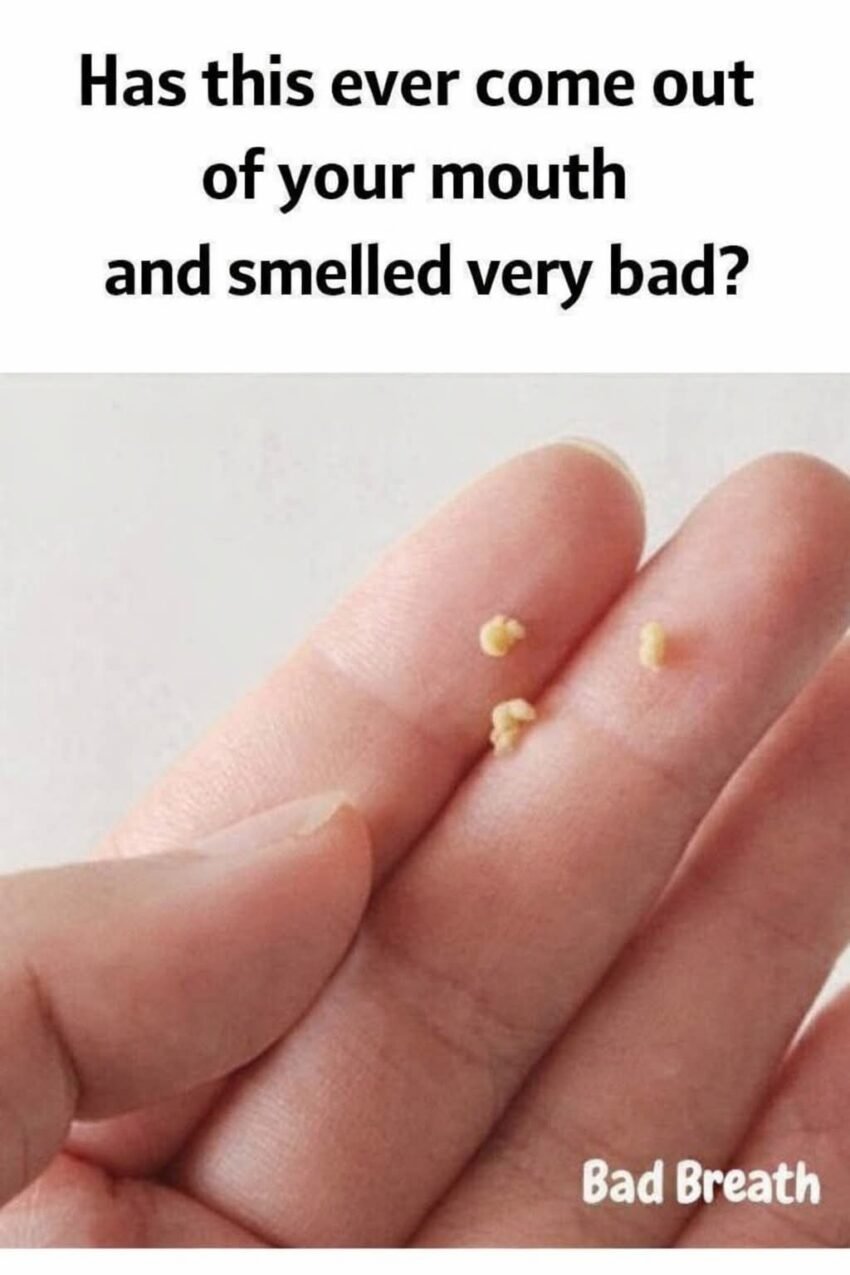
Bad breath, or halitosis, is usually more than just a social nuisance—it can indicate underlying oral or health issues. Understanding the causes helps you treat it effectively.
😷 Common Causes of Bad Breath
1. Poor Oral Hygiene
- Food particles trapped in teeth or gums produce odor
- Plaque and tartar harbor odor-causing bacteria
2. Food & Drink
- Garlic, onions, coffee, and alcohol can linger in breath
- Sugary foods encourage bacterial growth
3. Dry Mouth (Xerostomia)
- Saliva helps clean your mouth; less saliva = more bacteria
- Can be caused by medications, dehydration, or sleeping with your mouth open
4. Dental Issues
- Cavities, gum disease, or infected teeth produce strong odors
5. Medical Conditions
- Respiratory infections, sinus problems, or postnasal drip
- Diabetes (fruity or acetone-like breath)
- Gastrointestinal issues in rare cases
✅ Solutions for Bad Breath
Oral Care
- Brush teeth twice daily and floss once daily
- Clean your tongue (bacteria accumulate there)
- Replace toothbrush every 3 months
Hydration
- Drink plenty of water to keep mouth moist
- Chew sugar-free gum to stimulate saliva
Diet Adjustments
- Limit garlic, onions, and alcohol before social events
- Eat raw vegetables or fruits—they help clean your teeth naturally
Professional Care
- Regular dental check-ups (every 6 months)
- Treat cavities, gum disease, or infections promptly
Optional Fresheners
- Mouthwash (alcohol-free preferred)
- Herbs like parsley or mint can mask odor temporarily
💡 Bottom line: Bad breath is usually preventable or treatable with proper oral hygiene, hydration, and dental care. Persistent bad breath may signal a dental or medical issue that needs professional attention.
If you want, I can make a simple 7-day plan to completely freshen your breath naturally, combining diet, oral care, and lifestyle tweaks.