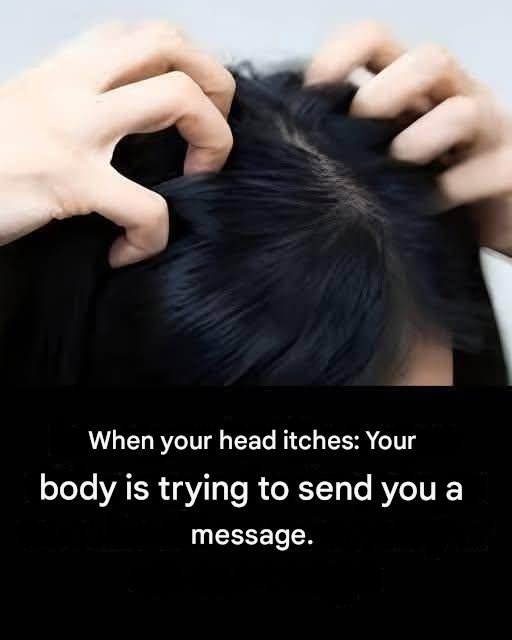
An itchy scalp is a common yet frustrating condition that can range from mildly annoying to intensely uncomfortable. While occasional itching may not be a cause for concern, persistent or severe scalp irritation often signals an underlying issue. Understanding the main causes can help you treat the problem effectively and prevent it from recurring.
One of the most common causes of an itchy scalp is dandruff, often linked to a condition called seborrheic dermatitis. This occurs when the scalp becomes oily and irritated, leading to flaky skin and itching. A yeast-like fungus known as Malassezia plays a key role in this condition. It feeds on scalp oils and can trigger inflammation, resulting in the white or yellow flakes commonly associated with dandruff.
Another frequent cause is dry scalp. Unlike dandruff, which is usually oily, a dry scalp occurs when the skin lacks sufficient moisture. This can be due to cold weather, excessive washing, or the use of harsh shampoos that strip natural oils. The result is tight, itchy skin with small, dry flakes. People living in cooler climates or those who frequently use heated styling tools are particularly prone to this issue.
Product buildup and sensitivity can also lead to itching. Many hair care products contain fragrances, preservatives, and chemicals that may irritate the scalp. This can cause a reaction known as contact dermatitis, where the skin becomes red, itchy, and inflamed. Even products marketed as “natural” can sometimes trigger sensitivity in certain individuals. Not rinsing shampoo or conditioner thoroughly can also leave residue that contributes to irritation.
A more serious but less common cause is scalp psoriasis, a condition related to psoriasis. This chronic autoimmune disorder leads to the rapid buildup of skin cells, forming thick, scaly patches on the scalp. These patches can be itchy, painful, and sometimes extend beyond the hairline. Unlike dandruff, the scales are often thicker and may have a silvery appearance.
Head lice are another well-known cause of scalp itching, especially in children. These tiny insects live on the scalp and feed on blood, causing intense itching. The itching is actually a reaction to their bites. Lice spread easily through close contact or sharing personal items like combs, hats, or pillows, making them a common issue in schools and households.
Fungal infections such as ringworm of the scalp, medically known as tinea capitis, can also cause itching. This condition often appears as round, scaly patches and may lead to hair loss in affected areas. It is contagious and requires medical treatment, typically with antifungal medication.
In some cases, an itchy scalp may be linked to poor hygiene or infrequent washing, which allows oil, sweat, and dirt to accumulate. This buildup can clog hair follicles and irritate the skin. On the other hand, overwashing can strip the scalp of its natural oils, leading to dryness and irritation. Maintaining a balanced hair care routine is essential.
Stress and lifestyle factors can also play a surprising role. High stress levels can worsen existing scalp conditions like dandruff or psoriasis and may even trigger itching on their own. Additionally, diet, hydration, and overall health influence skin condition, including the scalp.
Lastly, certain medical conditions or medications can contribute to scalp itching. For example, hormonal imbalances or reactions to specific drugs may cause skin sensitivity and irritation.
In conclusion, an itchy scalp can result from a wide range of causes, from simple dryness to more complex medical conditions. Identifying the root cause is key to effective treatment. If the itching persists, worsens, or is accompanied by other symptoms like hair loss or severe redness, it is best to consult a healthcare professional for proper diagnosis and care.