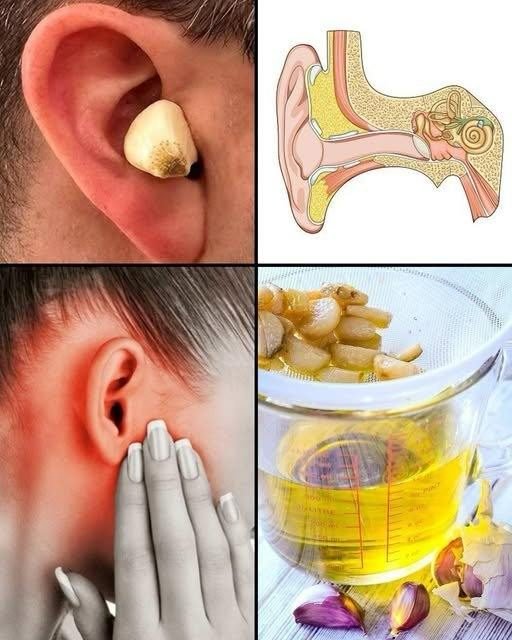
Garlic has been used for centuries in traditional remedies, and one of its most talked-about uses is for ear health. While it’s not a cure-all, garlic does contain natural compounds that may offer mild relief and protective benefits when used correctly and safely. Let’s explore how garlic works, what it can (and cannot) do, and the safest ways to use it.
🧄 Why Garlic Is Considered Beneficial
Garlic is rich in a compound called allicin, which forms when garlic is crushed or chopped. Allicin has antibacterial, antifungal, and anti-inflammatory properties, making garlic a popular natural remedy for minor infections and discomfort.
Because some ear problems—like mild infections or irritation—can involve bacteria or inflammation, garlic is often suggested as a home remedy to help ease symptoms.
👂 Potential Benefits for Ear Health
1. Mild antibacterial support
Garlic may help fight certain bacteria. This is why it’s sometimes used for minor ear discomfort that could be linked to early or mild infections.
However, it’s important to understand that serious infections like Otitis Media usually require proper medical treatment, especially in children.
2. Anti-inflammatory effects
Ear pain is often linked to inflammation. Garlic’s natural compounds may help reduce swelling and discomfort, which can make symptoms feel more manageable.
3. Pain relief
Some people report that garlic oil provides a warming, soothing sensation that can temporarily reduce ear pain. This doesn’t treat the underlying cause but may provide short-term comfort.
4. Antifungal properties
Garlic may also help in cases where irritation is caused by fungi, though this is less common than bacterial infections.
🌿 Common Ways Garlic Is Used
Garlic oil (most common method)
This is the safest and most widely used approach.
How it’s made:
- Crush 1–2 garlic cloves
- Heat gently in 2–3 tablespoons of olive oil (do not boil)
- Let it cool completely
- Strain out the garlic pieces
How it’s used:
- Apply 1–2 drops of lukewarm (not hot!) oil to the outer ear canal
⚠️ Important safety note
Never insert solid garlic pieces directly into the ear. This can cause irritation, blockage, or even injury.
🚫 When NOT to Use Garlic in the Ear
Garlic remedies are not safe in all situations. Avoid using them if:
- You suspect a ruptured eardrum
- There is fluid or pus draining from the ear
- There is severe pain, fever, or hearing loss
- The person is a young child without medical advice
In these cases, seek professional care immediately.
🩺 What Doctors Say
While garlic has promising natural properties, most medical professionals agree:
- It may help with minor discomfort
- It should not replace proper treatment
- Evidence is limited and not conclusive
For conditions like Ear Infection, doctors may prescribe medications such as antibiotics or pain relievers depending on the cause.
🧠 The Role of the Ear’s Natural Defense
Your ears already have built-in protection:
- Earwax traps bacteria and debris
- The ear canal maintains a slightly acidic environment to prevent infection
Using too many home remedies can sometimes disrupt this natural balance, making problems worse.
💡 Safer Alternatives for Ear Relief
If you’re looking for gentle, at-home relief, consider:
- Warm compress: Place a warm cloth over the ear to reduce pain
- Steam inhalation: Helps relieve pressure from sinus-related discomfort
- Over-the-counter drops: Designed specifically for ear safety
⚖️ Pros and Cons of Using Garlic
✅ Pros
- Natural and widely available
- Contains antibacterial and anti-inflammatory compounds
- May provide temporary relief
❌ Cons
- Limited scientific evidence
- Risk of irritation or misuse
- Not suitable for serious conditions
✔️ Bottom Line
Garlic can offer mild, natural support for ear discomfort, mainly due to its antibacterial and anti-inflammatory properties. However, it is not a cure for infections and should be used with caution.
If symptoms are mild, garlic oil may provide temporary relief—but for anything persistent, painful, or worsening, it’s essential to seek medical advice.
If you’d like, I can share a list of doctor-approved home remedies for ear pain that are both safe and effective.