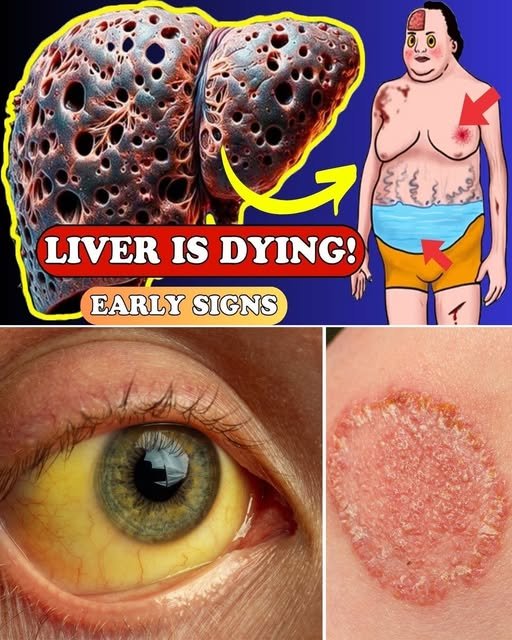
Is Your Liver Dying? 17 Critical Symptoms You Must Know
Introduction
The liver is one of the most vital organs in the human body. It filters toxins, produces essential proteins, aids digestion, and regulates metabolism. When the liver becomes damaged—due to conditions such as hepatitis, fatty liver disease, alcohol misuse, or cirrhosis—its ability to function properly declines. Recognizing early warning signs can be life-saving.
Below are 17 critical symptoms that may indicate serious liver trouble.
1. Persistent Fatigue
Chronic liver disease often causes extreme tiredness and weakness due to impaired metabolism and toxin buildup in the bloodstream.
2. Jaundice
Yellowing of the skin and eyes occurs when bilirubin builds up in the blood. This is one of the most recognizable signs of liver dysfunction.
3. Dark Urine
Urine that appears dark brown or tea-colored may signal excess bilirubin in the body.
4. Pale or Clay-Colored Stools
A lack of bile reaching the intestines can cause unusually light-colored stools.
5. Abdominal Swelling (Ascites)
Fluid buildup in the abdomen is common in advanced liver disease and may cause visible swelling and discomfort.
6. Swelling in the Legs and Ankles
Fluid retention due to poor liver function can lead to edema in the lower extremities.
7. Easy Bruising or Bleeding
The liver produces clotting factors. When it is damaged, the body bruises more easily and bleeding may be harder to stop.
8. Itchy Skin
Persistent itching without an obvious rash may be linked to bile salt buildup under the skin.
9. Loss of Appetite
A damaged liver can interfere with digestion and cause reduced appetite.
10. Nausea and Vomiting
Digestive disturbances are common when liver function declines.
11. Unexplained Weight Loss
Chronic liver disease can lead to muscle wasting and unintended weight loss.
12. Confusion or Memory Problems
A condition called hepatic encephalopathy occurs when toxins affect the brain, leading to confusion, poor concentration, and personality changes.
13. Spider-Like Blood Vessels
Small, spider-shaped blood vessels visible under the skin may appear in chronic liver disease.
14. Red Palms
Reddening of the palms, known as palmar erythema, can be associated with liver dysfunction.
15. Chronic Right Upper Abdominal Pain
Pain or discomfort beneath the right rib cage may indicate liver inflammation or enlargement.
16. Bad Breath with a Sweet or Musty Odor
Advanced liver disease may cause a distinct breath odor due to toxin buildup.
17. Persistent Fever or Frequent Infections
Severe liver damage can weaken the immune system, increasing susceptibility to infections.
When to Seek Medical Attention
If you experience multiple symptoms listed above—especially jaundice, abdominal swelling, confusion, or persistent fatigue—seek medical evaluation promptly. Early diagnosis can significantly improve treatment outcomes.
Prevention and Liver Care Tips
- Limit alcohol consumption.
- Maintain a healthy weight.
- Get vaccinated against hepatitis A and B.
- Avoid sharing needles or personal hygiene items.
- Follow a balanced diet and exercise regularly.
- Consult a healthcare provider before taking new medications or supplements.
Conclusion
The liver plays a crucial role in overall health. Recognizing warning signs early can help prevent serious complications. If you suspect liver problems, consult a qualified healthcare professional for proper diagnosis and treatment.