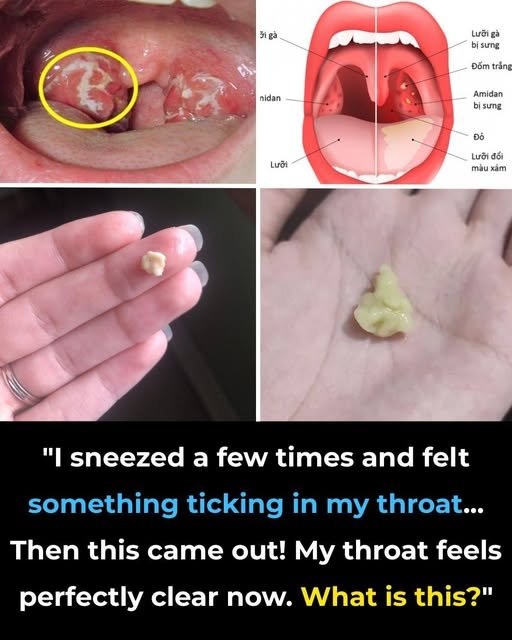
What Are Tonsil Stones?
Tonsil stones are small calcified deposits that form in the crypts (small pockets) of the tonsils. They are typically made up of bacteria, dead cells, mucus, and food particles that get trapped in these pockets and harden over time. The stones can vary in size, from tiny particles to larger, more noticeable lumps.
Common Symptoms of Tonsil Stones:
-
Bad Breath (Halitosis):
-
One of the hallmark symptoms of tonsil stones is a foul odor in the mouth. This bad breath comes from the bacteria and debris that accumulate in the tonsils and can be difficult to mask with regular oral hygiene.
-
-
Scratchy or Sore Throat:
-
As tonsil stones irritate the tonsils or become infected, they can cause a feeling of discomfort or a scratchy throat. You may also feel like something is stuck in the back of your throat.
-
-
Tiny White Lumps or Spots on the Tonsils:
-
Tonsil stones often appear as white or yellowish lumps on the tonsils, typically in the crypts. These lumps can sometimes be visible when you look at the back of your throat, especially if you shine a light.
-
-
Difficulty Swallowing:
-
In some cases, the stones can grow large enough to cause discomfort or a sensation of something being stuck in the throat, making swallowing harder.
-
-
Ear Pain:
-
Because the tonsils are close to the ear canal, large tonsil stones can sometimes cause referred pain in the ear, leading to discomfort on one side of the head.
-
What Causes Tonsil Stones?
Tonsil stones form when debris (food, bacteria, mucus, dead cells, etc.) gets trapped in the crypts of the tonsils. These crypts act as natural filters, but when they become filled with material, they can harden and form stones. The process can be influenced by:
-
Chronic tonsil inflammation (often from recurring infections)
-
Poor oral hygiene
-
Dry mouth (lack of saliva, which helps to flush out debris)
-
Large or deep tonsil crypts that can trap more material
-
Frequent throat infections (like strep throat or tonsillitis)
How to Manage and Treat Tonsil Stones:
-
Good Oral Hygiene:
-
Regular brushing, flossing, and mouthwash can help reduce the buildup of bacteria and debris in the tonsils. Keeping the mouth clean may prevent the formation of tonsil stones.
-
-
Gargling Salt Water:
-
Gargling with warm salt water can help dislodge smaller stones and soothe the throat if it feels scratchy or sore.
-
-
Using a Water Pick:
-
A water flosser or oral irrigator can gently flush out tonsil stones from the crypts. This method can be effective in dislodging smaller stones that are not easily reached by other methods.
-
-
Manual Removal:
-
Some people try to remove tonsil stones manually using cotton swabs or their fingers. However, this should be done with caution to avoid injury or infection.
-
-
Mouthwash or Antiseptic Gargles:
-
Regular use of a mouthwash containing antiseptic properties or an alcohol-free antibacterial rinse may help reduce bacteria and keep the tonsils cleaner.
-
-
Stay Hydrated:
-
Drinking plenty of water helps to keep the mouth and throat moist, which can help prevent the buildup of debris and bacteria.
-
When to See a Doctor:
If tonsil stones become large, persistent, or cause recurrent infections, it’s a good idea to consult a healthcare provider. In some cases, your doctor may recommend:
-
Tonsillectomy: The surgical removal of the tonsils if stones become a chronic issue or if they interfere with breathing or swallowing.
-
Antibiotics: If an infection occurs as a result of tonsil stones, antibiotics may be prescribed to treat the infection.
Prevention:
To prevent tonsil stones from forming:
-
Maintain good oral hygiene.
-
Drink enough water to keep the mouth hydrated.
-
Gargle regularly with salt water or an antiseptic mouthwash.
-
Consider using a water pick to rinse the tonsils and keep them free of debris.
Conclusion:
While tonsil stones are generally not harmful, they can be annoying and uncomfortable. If you notice a persistent bad smell, scratchy throat, or tiny white lumps in the back of your throat, it’s likely that you’re dealing with tonsil stones. Regular oral hygiene, staying hydrated, and using remedies like gargling salt water can help manage and prevent these stones from becoming an ongoing issue. If symptoms persist or worsen, consulting with a healthcare provider may be necessary for further treatment.