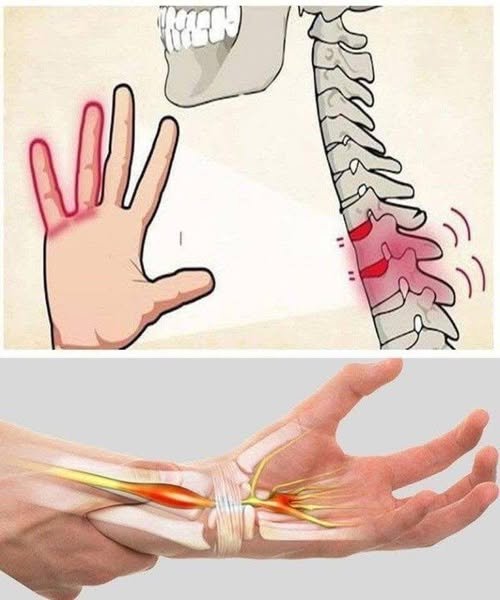
1. Carpal Tunnel Syndrome
-
This is one of the most common reasons for hands falling asleep. It occurs when the median nerve (which runs through your wrist to your hand) becomes compressed, typically due to repetitive movements like typing or using a mouse.
-
Symptoms: Numbness, tingling, or pain in the fingers or hands, especially at night.
2. Nerve Compression or Pinched Nerve
-
A pinched nerve in the neck, shoulder, or spine can affect the nerves running down to your hands. This can happen from poor posture, herniated discs, or other spinal issues.
-
Symptoms: Numbness or tingling that radiates from your neck or shoulder down to your hand.
3. Diabetes (Peripheral Neuropathy)
-
Diabetic neuropathy is a common complication of uncontrolled diabetes, affecting the nerves, particularly in the hands and feet.
-
Symptoms: Tingling, numbness, or a “burning” sensation in your hands or feet, often accompanied by pain.
4. Thoracic Outlet Syndrome
-
This occurs when the blood vessels or nerves in the space between your collarbone and first rib are compressed.
-
Symptoms: Numbness and tingling in the hands, often accompanied by shoulder or neck pain.
5. Vitamin Deficiencies
-
Deficiencies in Vitamin B12, Vitamin B6, or folate can lead to nerve damage and cause symptoms like tingling or numbness in the hands.
-
Symptoms: Numbness, tingling, or weakness, often accompanied by fatigue or other neurological signs.
6. Multiple Sclerosis (MS)
-
MS is an autoimmune disease that affects the central nervous system, including the brain and spinal cord, leading to disrupted nerve signals.
-
Symptoms: Numbness or tingling in one or both hands, along with other neurological symptoms like difficulty walking or muscle weakness.
7. Poor Circulation
-
Reduced blood flow to your hands due to conditions like Raynaud’s disease or atherosclerosis (narrowing of the blood vessels) can cause numbness or the sensation of hands falling asleep.
-
Symptoms: Cold hands, color changes in the skin (blue or pale), and tingling or numbness.
What to Do:
-
Short-Term Relief: If your hands fall asleep occasionally, it might be due to sleeping in a weird position or temporary compression of a nerve (e.g., resting your arm in a certain way). Moving your hands or shaking them gently can relieve the sensation.
-
If It’s Frequent: If the sensation of numbness or tingling happens often, or if it’s accompanied by weakness, pain, or other concerning symptoms (like difficulty walking), it’s important to see a doctor. A healthcare professional can conduct tests, such as nerve conduction studies, blood tests, or imaging scans, to determine the underlying cause.
Early intervention can prevent further damage, especially if the cause is a nerve-related issue or something more serious, like diabetes or MS.