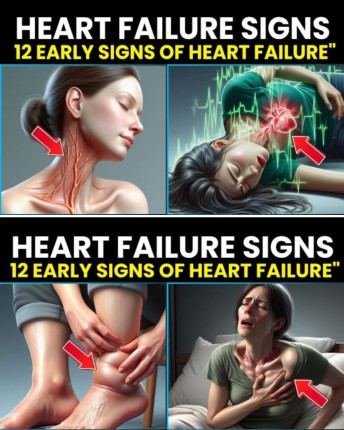
1. Shortness of Breath (Dyspnea)
-
Feeling winded or out of breath, even after light activities (like walking up stairs) or while lying down, can be a sign that your heart is struggling to pump blood effectively, leading to fluid buildup in the lungs.
2. Fatigue and Weakness
-
Extreme tiredness or weakness that doesn’t improve with rest is a common early symptom. The heart’s inability to circulate blood efficiently means muscles and tissues aren’t getting enough oxygen, leaving you feeling drained.
3. Swelling in the Legs, Ankles, or Abdomen (Edema)
-
Fluid buildup can cause your legs, ankles, feet, or abdomen to swell. This is often due to the heart’s inability to manage fluid levels in the body. This can also lead to weight gain.
4. Rapid or Irregular Heartbeat (Palpitations)
-
A heart that is struggling to pump effectively may start beating irregularly or more quickly. You might notice a fluttering or pounding sensation in your chest.
5. Persistent Cough or Wheezing
-
Fluid buildup in the lungs (pulmonary congestion) can cause coughing or wheezing, sometimes accompanied by a pinkish or frothy sputum.
6. Loss of Appetite and Nausea
-
When the heart isn’t pumping blood well, digestion can slow down, causing a feeling of fullness, nausea, or loss of appetite. This can also lead to indigestion or a bloated feeling.
7. Difficulty Sleeping (Orthopnea)
-
Heart failure can cause shortness of breath that worsens when lying down, making it difficult to sleep. You may find that you need extra pillows or prefer to sleep upright.
8. Confusion or Difficulty Concentrating
-
When the heart isn’t pumping enough oxygenated blood to the brain, it can cause confusion, memory problems, or difficulty focusing. This is often due to decreased blood flow.
9. Decreased Exercise Tolerance
-
If you find that you can’t exercise or perform physical activities as you once could, or you tire much faster than before, it might be a sign that your heart is struggling to meet your body’s demands.
10. Chest Pain or Discomfort
-
While chest pain is most commonly associated with a heart attack, discomfort or a heavy feeling in the chest can also signal heart failure. This might be due to the heart’s reduced ability to pump blood, causing strain.
11. Increased Need to Urinate at Night (Nocturia)
-
Fluid buildup during the day can lead to frequent urination at night. When you lie down, the fluid from your legs and abdomen can return to the bloodstream and be filtered by your kidneys, increasing urination.
What to Do:
If you notice any of these symptoms, it’s important to see a doctor as soon as possible. Early diagnosis and treatment can help manage the condition and improve quality of life. Your doctor may conduct tests such as an echocardiogram, electrocardiogram (EKG), or blood tests to evaluate your heart’s function and determine the next steps.
Risk Factors to Watch:
-
High blood pressure
-
Coronary artery disease
-
Diabetes
-
Obesity
-
Family history of heart disease
-
Smoking and excessive alcohol use
By recognizing the signs early, you give yourself a better chance of managing heart failure and living a longer, healthier life.