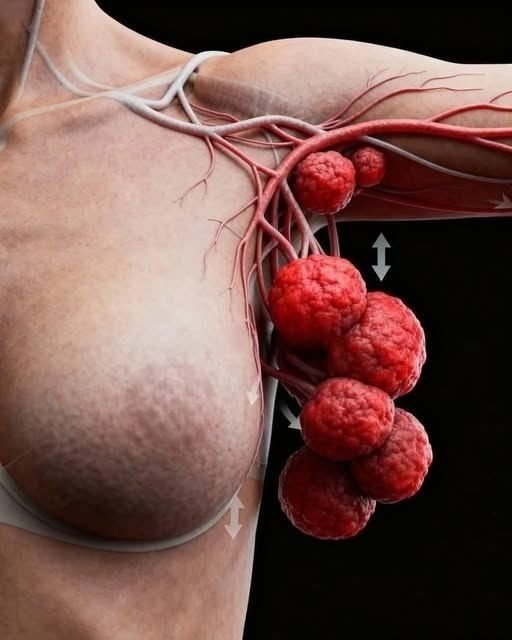
1. Unusual or Persistent Changes in the Breasts
Look for any of the following:
-
A new lump or thickening in the breast or underarm
-
Noticeable change in breast size or shape
-
Skin dimpling, redness, or orange-peel texture
-
Nipple changes, including inversion or unusual discharge
These changes may be early signs of breast cancer and should be evaluated promptly.
2. Abnormal Vaginal Bleeding or Discharge
Pay attention to:
-
Bleeding between periods
-
Bleeding after sex
-
Any bleeding after menopause
-
Unusual vaginal discharge
These may indicate cancers of the cervix, uterus (endometrial), or other reproductive organs—especially when unexpected for your age or menstrual history.
3. Unexplained Weight Loss and Fatigue
Significant, unintentional weight loss (for example, losing more than 10 pounds/4.5 kg without trying) or persistent fatigue that doesn’t improve with rest can be associated with various cancers, including ovarian, gastrointestinal, or blood cancers.
4. Persistent Symptoms That Don’t Resolve
These include:
-
A cough that lasts more than a couple of weeks or coughing up blood
-
Persistent indigestion, nausea, or difficulty swallowing
-
Sudden changes in bowel or bladder habits
-
Ongoing pelvic or abdominal pain
While these symptoms aren’t always cancer, if they are new, persistent (typically more than 2–3 weeks), and unexplained by other causes, they deserve medical evaluation.
When to Seek Medical Advice
If you notice any of these warning signs or other persistent, unusual changes in your body, schedule a medical evaluation promptly. Early detection often makes cancer more treatable and improves outcomes.
Final Note
Having one of these symptoms does not necessarily mean you have cancer, but being aware of your body and acting on persistent changes is important for your health. Regular screening tests (like mammograms and Pap smears) and open communication with your doctor are key parts of cancer prevention and early detection.