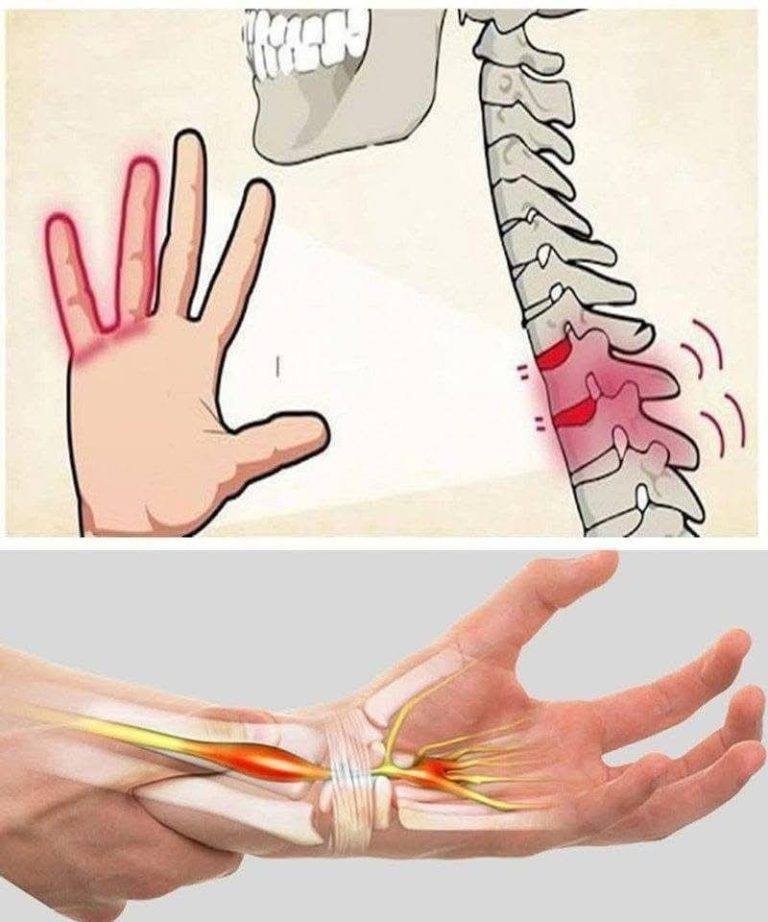
If your hands frequently “fall asleep” (tingling, numbness, pins-and-needles), it’s usually a sign that nerves or blood flow are being compressed or irritated. While occasional tingling from sleeping awkwardly is normal, persistent or recurring numbness can point to underlying health issues.
🖐 Common Causes of Hands Falling Asleep
1. Nerve Compression
- Carpal Tunnel Syndrome – compression of the median nerve in the wrist; often causes tingling, numbness, or weakness in the thumb, index, and middle fingers
- Cubital Tunnel Syndrome – pressure on the ulnar nerve at the elbow; tingling in the ring and little fingers
2. Poor Circulation
- Sitting or sleeping in a position that restricts blood flow
- Peripheral artery disease (rare, usually older adults)
3. Vitamin or Mineral Deficiencies
- Low B12, folate, or magnesium can affect nerve function, causing numbness or tingling
4. Medical Conditions
- Diabetes – nerve damage (peripheral neuropathy) can cause tingling in hands or feet
- Thyroid issues – can contribute to nerve symptoms
5. Lifestyle Factors
- Repetitive strain from typing, texting, or gripping tools
- Holding wrists in awkward positions for long periods
⚠️ When to See a Doctor
- Tingling lasts more than a few minutes or occurs frequently
- Accompanied by pain, swelling, or weakness
- Spreads to arms, shoulders, or legs
- You notice changes in skin color or temperature
💡 Tips to relieve it at home temporarily
- Shake or massage your hands
- Stretch wrists and fingers
- Avoid prolonged pressure on nerves (e.g., leaning on elbows)
If you want, I can make a detailed guide on 7 warning signs your hands give about nerve or circulation health, so you’ll know what’s serious and what’s temporary.